
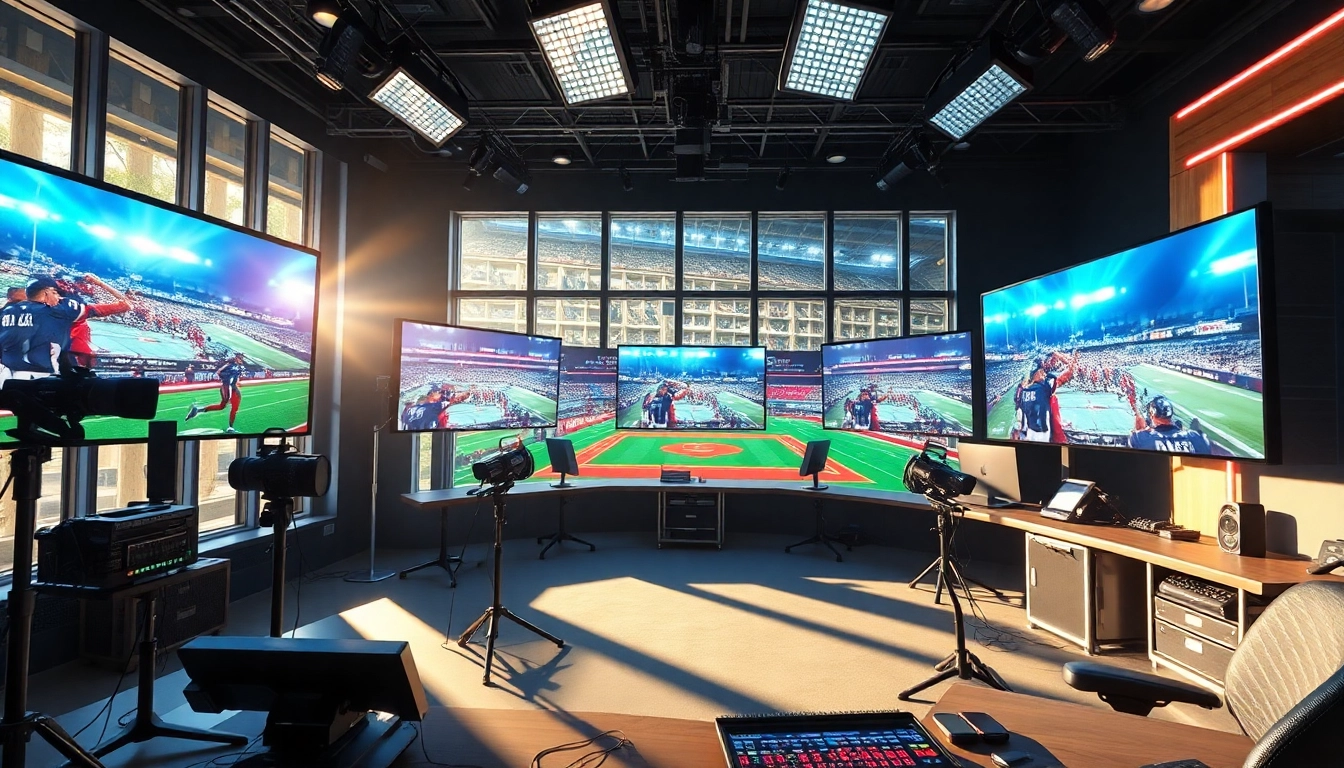
Understanding the Fundamentals of Sports Broadcasting
Sports broadcasting has transformed dramatically over the years, keeping pace with advancing technology and evolving audience preferences. In its essence, sports broadcasting serves as a bridge, connecting athletic events with fans across various platforms. This Sports Broadcasting ecosystem encompasses television networks, radio outlets, digital streaming services, and social media channels, each playing a unique role in delivering sports content to viewers worldwide.
Defining Sports Broadcasting
At its core, sports broadcasting involves the distribution of televised or streamed sports events and related commentary to audiences. This includes live games, highlights, analysis, interviews, and behind-the-scenes features. The aim is to inform, entertain, and engage fans by providing accessible coverage of sporting events, which can vary from local competitions to global championships.
Key Components of Effective Broadcasting
Effective sports broadcasting relies on several essential components:
- Content Quality: High-quality footage and audio create an immersive viewing experience. This includes utilizing advanced HD video and surround sound technologies.
- Commentary and Analysis: Seasoned commentators and analysts offer insights, enhancing viewer understanding of the game.
- Audience Engagement: Harnessing social media platforms allows broadcasters to communicate directly with fans, fostering a sense of community.
Historical Context and Evolution
The history of sports broadcasting dates back to the early 20th century with radio broadcasts of live games. The subsequent arrival of television revolutionized the industry, bringing sports directly into the homes of millions. Over time, the advent of the internet and mobile technologies has introduced further innovations such as streaming services and on-demand content, making sports broadcasting more accessible than ever.
Essential Technologies in Sports Broadcasting
Role of HD Video and Audio Technologies
In today’s competitive landscape, high-definition (HD) video and audio technologies are fundamental to delivering superior viewing experiences. The clarity of HD resolution allows viewers to appreciate the finesse of player movements while immersive audio technologies offer realistic soundscapes, putting fans right in the middle of the action.
Emergence of Streaming Services
Streaming platforms have drastically changed how sports content is consumed. Viewers now have the freedom to watch events on various devices at their convenience, thanks to services like over-the-top (OTT) platforms. This shift has necessitated changes in content delivery and monetization strategies for broadcasters.
Utilizing Social Media for Engagement
Social media plays an increasingly critical role in sports broadcasting by offering interactive engagement opportunities. Platforms such as Twitter, Facebook, and Instagram enable broadcasters to post real-time updates, engage fans in discussions, and promote events. This interaction not only maintains viewer interest but also helps in building brand loyalty.
Creating Captivating Sports Broadcasts
Crafting Storylines for Enhancing Viewer Experience
Good sports broadcasting transcends mere reporting; it involves storytelling. Crafting compelling narratives surrounding teams, players, rivalries, and seasons elevates viewership. Engaging the audience emotionally helps to build a bond that encourages them to tune in regularly.
Importance of Live Commentary and Analysis
Live commentary is a critical element that keeps viewers engaged during broadcasts. Skilled commentators provide play-by-play updates, technical insights, and context that enrich the viewing experience. Analysts dissect strategies and performances, keeping the audience informed and entertained.
Incorporating Interactive Elements in Broadcasts
Incorporating interactive elements, such as polls, viewer questions, and augmented reality visuals, can significantly enhance audience engagement. This dialogue fosters a two-way connection between broadcasters and fans, making them feel like active participants in the broadcast.
Best Practices for Successful Sports Broadcasting
Understanding Your Audience
Successful sports broadcasting begins with a deep understanding of the target audience. Audience analysis involves recognizing preferences regarding sports, viewing habits, and demographic characteristics. Tailoring content to meet these needs enhances viewer satisfaction and loyalty.
Maintaining Ethical Standards
Ethics in sports broadcasting is paramount. Broadcasters must ensure accurate reporting, avoid sensationalism, and uphold transparency. Ethical standards foster trust with audiences, critical in an era where misinformation can spread rapidly.
Adapting to Rapid Changes in Technology
The rapid pace of technological advancement necessitates that sports broadcasters remain agile, adapting to new platforms and viewer expectations. Continuous education and training for staff on emerging tools and technologies are essential for remaining competitive.
Measuring Success in Sports Broadcasting
Key Performance Metrics to Track
Measuring the success of sports broadcasting requires tracking key performance metrics, including viewership ratings, social media engagement, and audience demographics. These metrics provide valuable insights into what works and where improvements can be made.
Analyzing Viewer Feedback and Behavior
Collecting and analyzing viewer feedback is integral to refining broadcasting strategies. Surveys, social media interactions, and analytics from streaming platforms allow broadcasters to gauge audience satisfaction and adjust content accordingly.
Future Trends in Sports Broadcasting
The future of sports broadcasting is expected to include more personalization through AI-driven recommendations, increased use of virtual and augmented reality, and continued innovations in streaming technology. As fan engagement and viewing preferences evolve, broadcasters must stay ahead of the curve to remain relevant.
Frequently Asked Questions
What is sports broadcasting?
Sports broadcasting is the distribution of live sports events and related content to viewers via television, radio, or online platforms, providing entertainment and analysis.
How has technology impacted sports broadcasting?
Technology has revolutionized sports broadcasting by enabling HD video, real-time statistics, and interactive features that enhance viewer engagement and access.
What makes a good sports broadcast?
A good sports broadcast features high-quality visuals, engaging commentary, compelling storylines, and interactive elements that keep the audience invested.
How do broadcasters measure success?
Success is measured using performance metrics like viewership ratings, audience engagement on social platforms, and viewer feedback to adjust strategies accordingly.
What are the future trends in sports broadcasting?
Future trends include personalized content through AI, increased use of virtual reality, and innovations in streaming technology focusing on audience experience.